

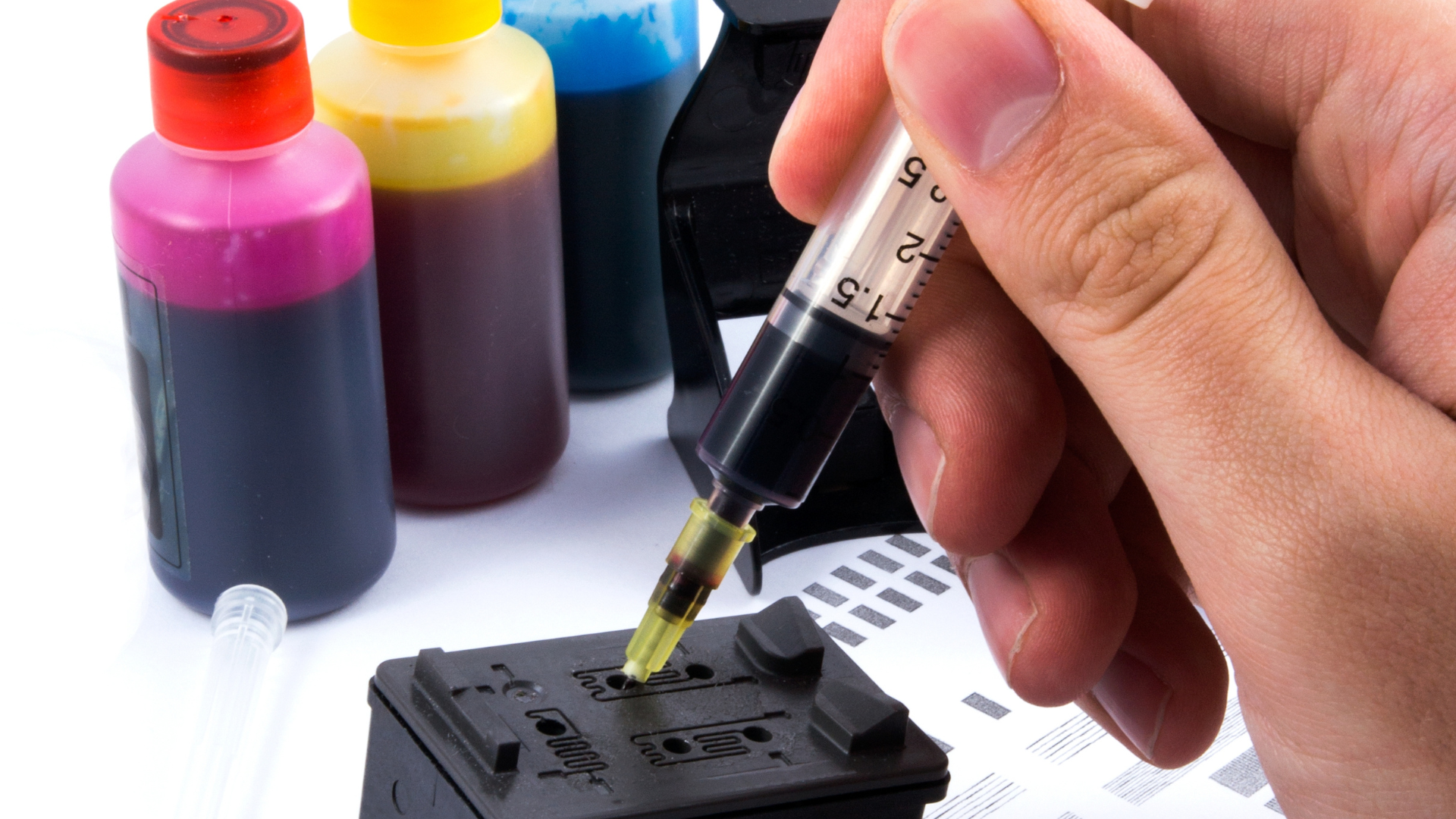
When you decide to refill ink cartridges instead of buying brand-new replacements, the primary concern is usually reliability. No one wants to return home, install a cartridge, and find their printer flashing an error message or producing streaky lines.
The short answer is yes—professional refill services perform rigorous diagnostic and print tests to ensure the cartridge functions correctly before it ever reaches the customer. Unlike DIY kits, professional refilling is a technical process designed to match the quality of original equipment manufacturers (OEM).
The Pre-Refill Inspection: Catching Issues Early
The testing process actually begins before any ink is added. A technician must first determine if the "empty" cartridge is a healthy candidate for a refill.
- Physical Integrity: We check for cracked casings or damaged print heads.
- Electronic Circuitry: We use specialized equipment to test the copper contact points. If the internal circuit is fried, the printer will never recognize the cartridge, regardless of how much ink is inside.
- The "Dry" Test: If a cartridge has sat empty for too long, the ink may have dried and clogged the nozzles, rendering them beyond repair. We verify the print head is clear before proceeding.
The Post-Refill Quality Check
Once the cartridge has been vacuum-filled to precise factory specifications, it undergoes a final round of quality assurance.
- Pressure Balancing: Professional machines fill by volume and weight. We test the cartridge to ensure the internal pressure is perfectly balanced, which prevents the leaking or "oozing" often associated with cheap at-home kits.
- The Blot Test: This confirms that the ink is flowing freely through the microscopic nozzles on the print head.
- The Diagnostic Test Print: In most cases, the cartridge is placed into a testing station where it prints a test pattern. This allows the technician to verify color accuracy, sharp black text, and the absence of any "banding" or streaks.
Why Professional Testing Matters
While at-home refill kits are available, they lack the diagnostic tools required to guarantee a result. When you choose a professional service to
refill ink cartridges, you aren't just paying for the ink—you are paying for the
certainty that the cartridge is electronically sound and ready to print immediately.
FREQUENTLY ASKED QUESTIONS
How many times can a single cartridge be refilled?
On average, a high-quality cartridge can be refilled 3 to 5 times. However, this depends entirely on the health of the internal electronic circuitry and how well the print head is maintained between uses.
Will using a refilled cartridge void my printer warranty?
No. Under the Magnuson-Moss Warranty Act, a printer manufacturer cannot legally void your warranty simply for using refilled or third-party cartridges.
What should I do if my refilled cartridge isn't recognized?
If a cartridge isn't recognized, it is often due to a dirty contact point. Gently wiping the copper contacts with a lint-free cloth usually resolves the issue. If it persists, professional services typically offer a guarantee to troubleshoot or replace the unit.
Conclusion
Professional ink refilling is a high-tech process, not a simple "top-off." By the time a cartridge is handed back to you at the counter, it has been cleaned, filled, and verified through a multi-step testing protocol. This commitment to quality is why refilling remains the most reliable way to save up to 50% on printing costs without sacrificing performance.
Ready to Save on Your Next Print?
Don't settle for the high cost of new retail cartridges or the mess of DIY kits. Experience the professional difference at Cartridge World.
Disclaimer:
The information provided in this article is for general educational purposes only and is not intended to replace manufacturer guidelines or professional printer maintenance advice. Cartridge performance, refill longevity, and compatibility may vary depending on printer model, cartridge condition, usage habits, and manufacturer specifications. While professional refill services follow quality control procedures, results cannot be guaranteed for every cartridge. Always consult your printer’s manufacturer documentation or a qualified technician for device-specific recommendations.
Contact Us
Most Popular

Recommended For You
